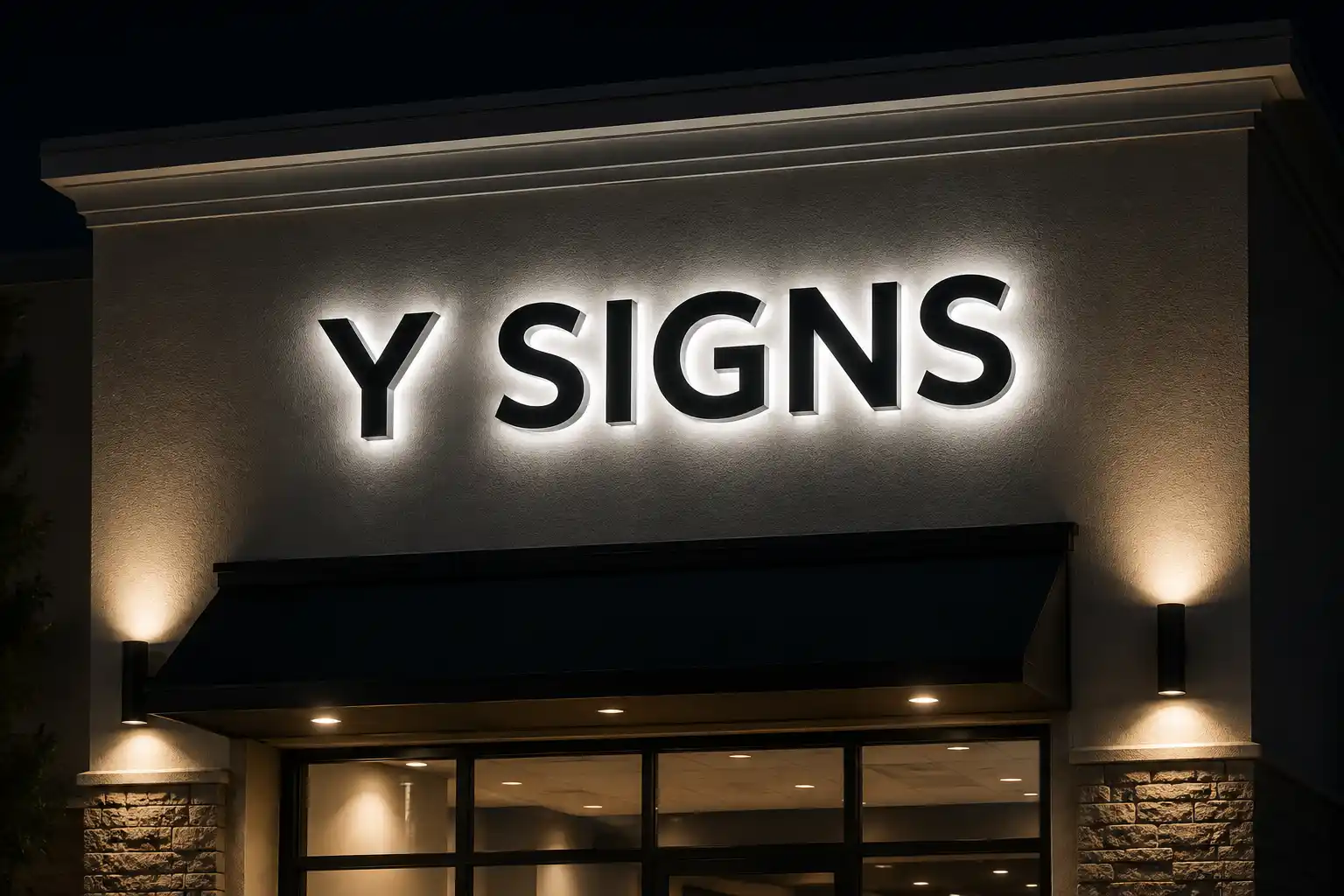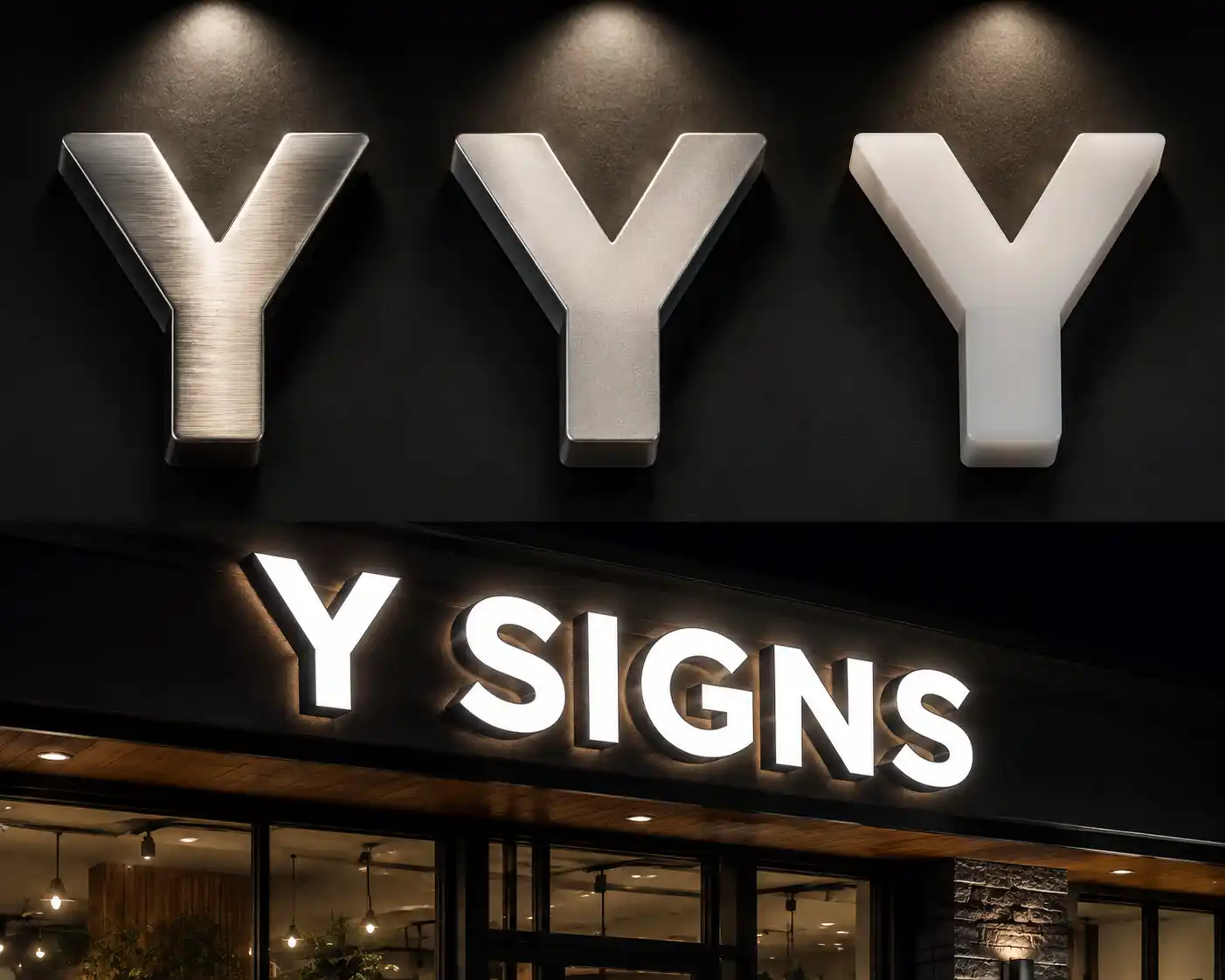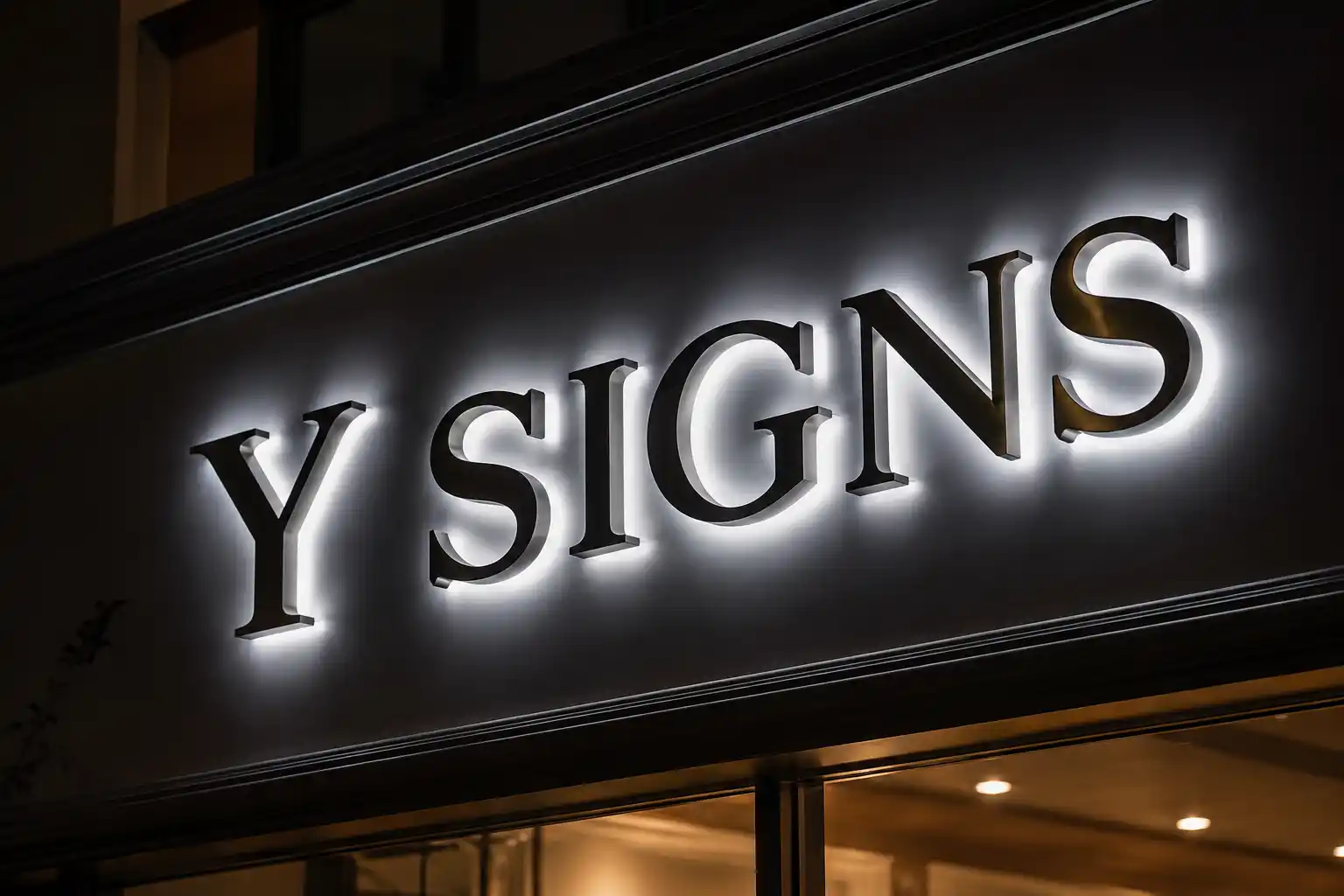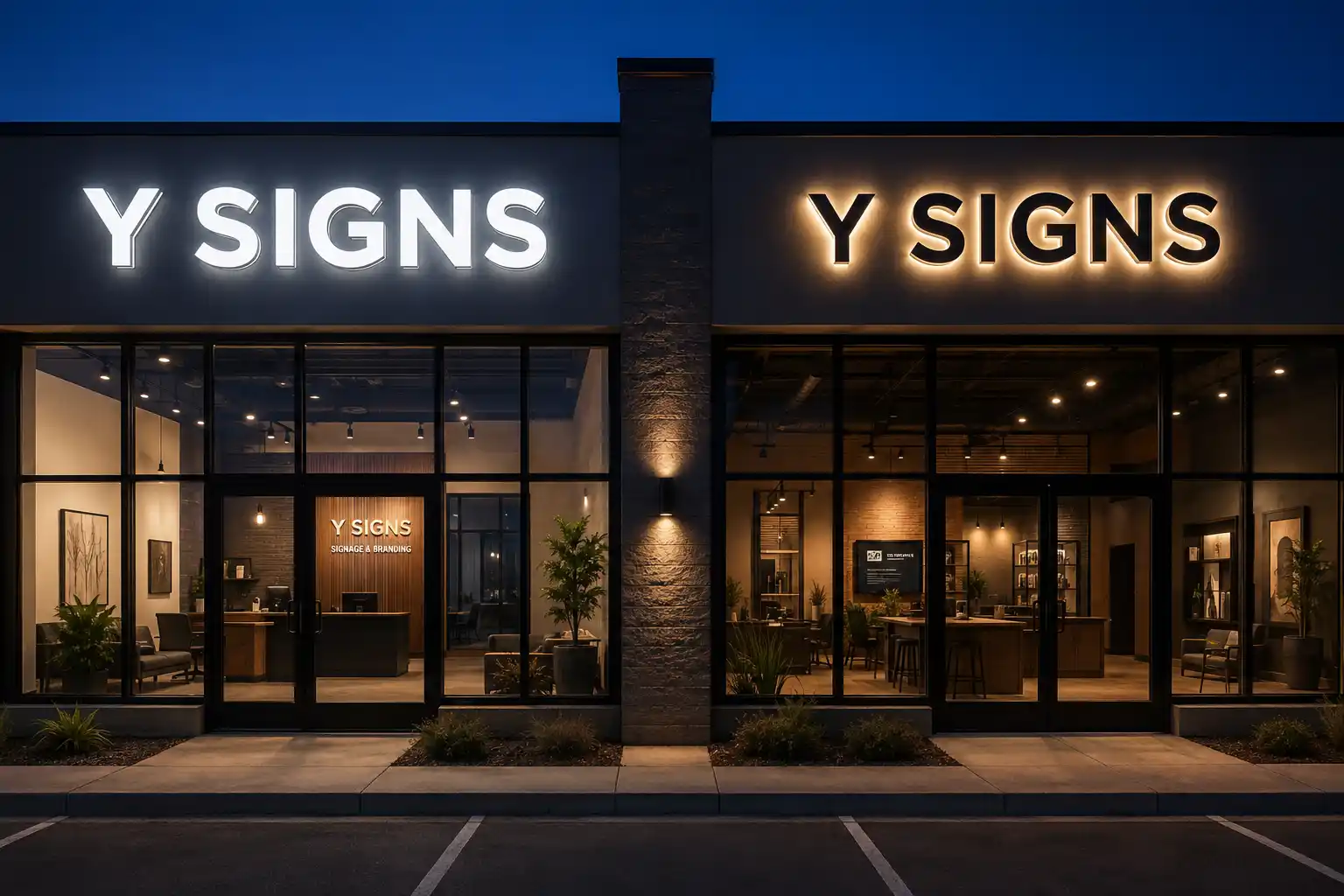
Hotspots are the #1 buyer complaint with backlit letters — and also the easiest problem to screen out before you order. Instead of a smooth, even silhouette, a hot spot letter shows bright patches, dark shadows, or an uneven halo that makes even premium metal look cheap. This guide explains what causes backlit letters hotspots, how to catch halo letters light spots in supplier photos before buying, and the engineering choices a factory makes to deliver even, glassy glow every time.
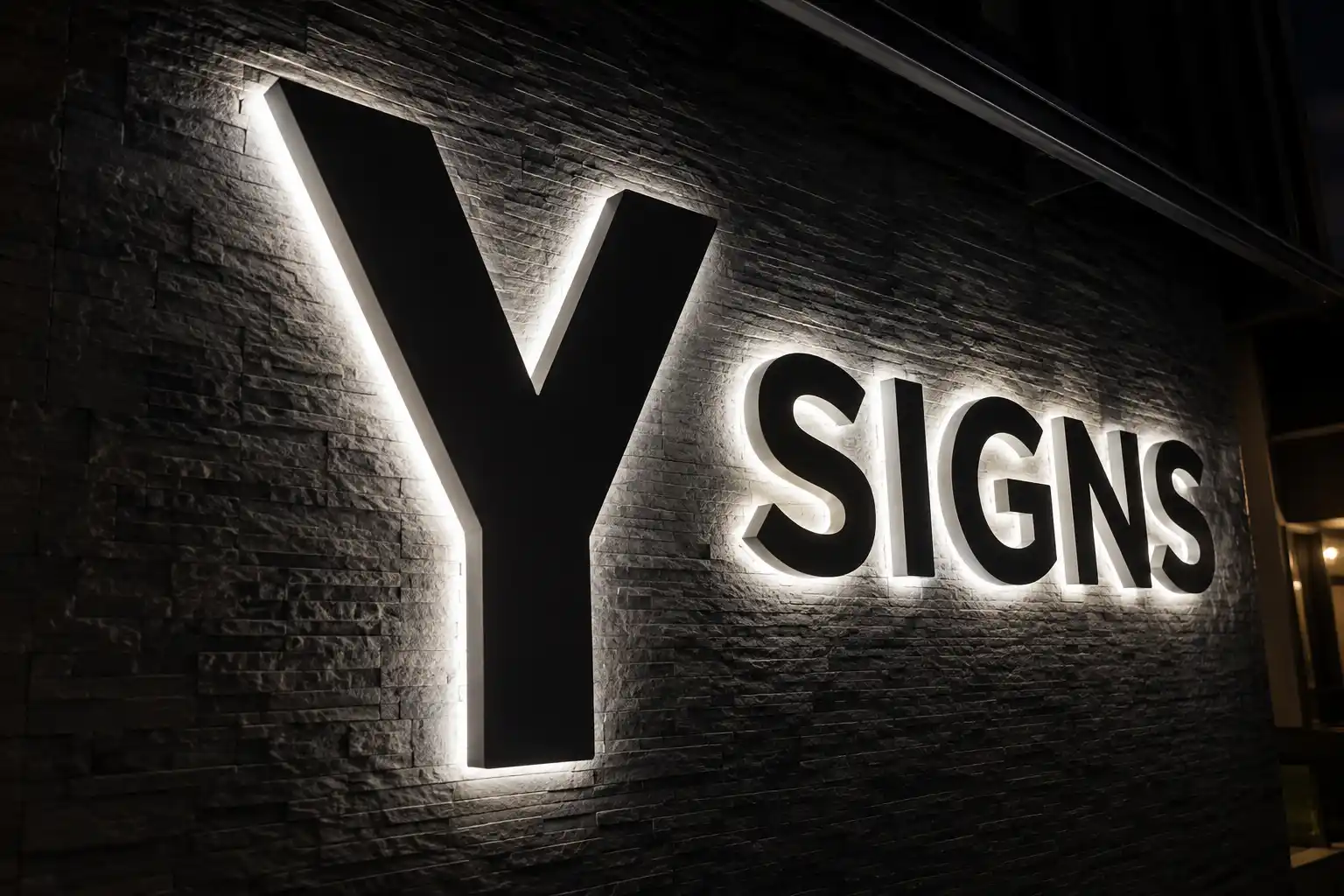
- Quick read: hotspots come from LED spacing, cheap point LEDs, missing reflectors, and thin faces.
- Biggest rule: never judge glow from a bright daytime photo — demand a night shot with the wall behind it.
- Bottom line: a reputable factory guarantees even glow; ask for the LED module spec and the night video.
Why Hotspots Happen in the First Place
A backlit letter is only as even as its light engine. Five things, alone or combined, produce the bright and dark patches buyers hate:
- LED modules too far apart. Each module throws a bright cone forward. When spacing is wide, you see discrete bright dots; when modules overlap well, the light merges into one even wash.
- Point LEDs instead of proper modules. Bare point LEDs deliver no diffusion at all. Quality halo letters use purpose-built LED modules with a wide, uniform light pattern.
- No reflector or diffuser design. The inside of the letter should be engineered to bounce light into the silhouette. A bare or dark interior throws hot and cold zones.
- Letter depth too shallow. Under 3’–4’ of depth (about 75–100 mm), there is not enough interior space to spread the light beam and shadows creep in at curves and corners.
- Dirty or too-thin faces. Any debris or smudging on the face casts a shadow, and a face that is too thin lets unevenness bleed straight through.
How to Spot Bad Glow in Photos and Videos Before You Buy
Almost every supplier shows a photo of their letters glowing. The trick is knowing what a good and a bad image actually look like:
- Look for a night shot with the wall behind it. A photo of letters against a black void hides half the truth. You want to see the halo against the real facade.
- Check the corners and curve insides. Curved strokes and letter counters (“O”, “R”, “B”) shadow first. If the inside of a curve goes dark while the straights glow bright, that is a hotspot issue.
- Grainy, compressed, heavily edited images. Some sellers blur or brighten videos to mask banding. Ask for a raw, unedited night clip.
- Watch for pulsing or flicker. Even glow should be rock steady; flicker means poor driver or wiring, not a lighting design choice.
- Judge color consistency. Warm tone at the top of a letter and white at the bottom means the LED batch or distance is off.
What a Real Factory Does Differently
A factory that controls quality removes hotspots at the design stage, not after the fact. Here is what to expect from a good manufacturer making back-lit channel letters like Y SIGNS:
- Specified LED spacing. The engineering drawing states exact module spacing per letter size, not “as needed.”
- Wide-angle LED modules. Proper modules use a wide, uniform beam so adjacent units overlap and merge into one bank of light.
- Sized reflector and diffuser. The interior surfaces are chosen to bounce light into the stroke rather than absorb it.
- Sufficient letter depth. The factory holds a minimum depth that gives the light room to spread, even on thin script letters.
- Clean assembly. Faces are sealed dust-free so no debris turns into a permanent shadow.
- A burn-in test. Letters are switched on and inspected before shipping; the photograph you get is the glow you can expect.
Hotspot Checklist — Ask Before You Order
| Question | Red Flag | What You Want |
|---|---|---|
| “What LED modules do you use and what spacing?” | “Standard modules, we space them as we go” | Wide-angle SMD modules, exact spacing per letter |
| “Can I see the letters lit at night against a wall?” | Only bright daytime shots | Crisp night video, unedited |
| “What is the minimum letter depth?” | Under about 3” (75 mm) | 4”+ (100 mm) to spread light |
| “Do you burn-in test each set?” | “We skip testing to save cost” | Every set powered on and inspected |
| “Is even glow covered by warranty?” | No written LED warranty | Multi-year written warranty |
Materials and Mounting That Worsen Hotspots
Hotspots are a lighting problem, but materials and mounting options shape how visible they are. A dark or rough wall eats the halo so unevenness stands out more; a lighter, smoother facade flatters even glow. Flush-mount letters hug the wall so light has less room to bloom — allow proper standoff distance. And compare your sign options before deciding, since the build can change how even the glow looks.
FAQ
Can hotspots be fixed after the letters are installed?
Sometimes, by a technician adding or repositioning LED modules or cleaning the face — but it usually means labor and downtime, and it rarely matches factory quality. It is far cheaper to buy an even-glow letter from the start. See our full cost breakdown to weigh the difference.
Is uneven glow the same as a bad LED?
Not always. A single dead or dim LED is a component fault; hotspots are a layout or design fault. Both are defects, but hotspots across the whole set point to poor engineering, which is the bigger warning sign.
What gap should backlit letters use to glow evenly?
There is no single number — it depends on letter size, font, and wall. A good factory tunes the standoff per design. Ask in writing what standoff and LED spacing your letter geometry needs for an even halo, and hold them to it.
Ready to order letters that glow even, not spotted? Get a free quote and upload your logo — a Y SIGNS factory rep will send a night-lit sample photo and the exact LED spec for your storefront. Compare backlit vs face lit first if you are still choosing, and come back to this backlit letters buying guide whenever a supplier shows you a too-pretty photo.