
Walk past any trendy café, hair salon, or boutique in 2026 and you’ll see them: LED neon signs glowing in the window with script fonts, abstract shapes, or catchy phrases. They’re everywhere on Instagram and Pinterest — but do they actually bring customers through the door?
Reddit users have strong opinions. One salon owner shared: “Our neon sign looked great in photos but during the day it basically disappeared.” Another commenter summed up the mixed sentiment: “Neon looks cool for aesthetics and Instagram, but doesn’t pull much foot traffic.”
We dug into real business owner experiences, analyzed our gallery of 80+ storefront signs, and examined the data to answer the question honestly: when do LED neon signs drive traffic — and when are they just decoration?
The Two Sides of LED Neon
| Aspect | Where Neon Shines | Where Neon Falls Short |
|---|---|---|
| Daytime Visibility | Indoor accent, covered walkways | Direct sun, wide streets, vehicle traffic |
| Nighttime Impact | Excellent — warm glow, high contrast | Low lumen output vs. channel letters |
| Brand Personality | Modern, creative, Instagrammable | May read as unprofessional for corporate |
| Social Media Value | High — customers photograph with it | Free advertising ≠ foot traffic conversion |
| Cost | Low ($300-1,200) | May need supplement with primary signage |
| Foot Traffic Impact | Moderate (with right placement) | Low as standalone primary sign |
When LED Neon Actually Works for Foot Traffic
1. As a Secondary Accent Sign, Not Primary
The businesses that get real value from LED neon use it as a supporting sign — not the main identifier. A channel letter or dimensional sign handles the primary “who you are” function, and the neon adds personality in the window or interior. The Reddit hair salon found success only after adding “bold 3D letters on top” and keeping the neon as an accent.
2. Nighttime Businesses
LED neon’s warm glow pops beautifully against a dark storefront. For bars, breweries, music venues, and late-night restaurants, neon signage signals “we’re open and the atmosphere is good” more effectively than bright white illuminated signs. The soft ambient light draws people in without being harsh from across the street.
3. Instagram-Worthy Spaces
There’s real value in creating a “photo moment” for your business. A well-placed neon sign that customers photograph with generates free social media impressions. One cafe owner reported their neon sign appearing in 200+ Instagram posts per month — estimated ad value of $8,000-12,000/month in earned media. But: these are brand impressions, not necessarily foot traffic from first-time visitors.
4. Window Displays for Evening Streets
For businesses on pedestrian-heavy streets with evening foot traffic (downtown districts, shopping centers, entertainment zones), LED neon in the window creates visual interest that draws wandering eyes. It signals that your business is modern and current.
When LED Neon Doesn’t Work
1. As the Primary Exterior Sign
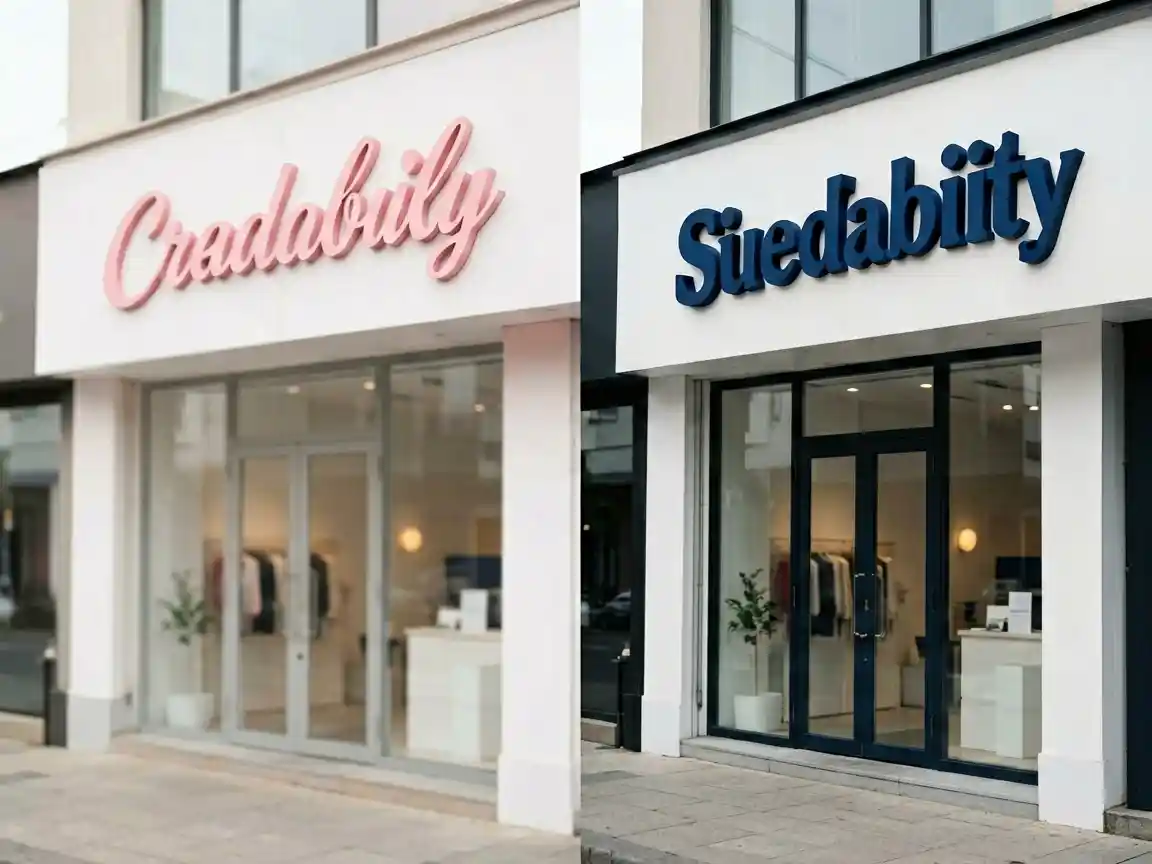
Flat against a facade, LED neon’s thin bright lines are nearly invisible in daylight at any distance over 15-20 feet. If your business relies on drive-by traffic during the day (retail, cafés, auto services, gyms), a neon-only exterior sign is a mistake.
2. On Wide Streets or High-Speed Roads
The larger the setback and faster the traffic, the more sign mass you need. LED neon’s thin tubes don’t have the visual weight needed for visibility from 100+ feet. Channel letter signs with 8-12 inch letters are the minimum for road-facing storefronts.
3. For Professional Services (Lawyers, Accountants, Medical)
Neon’s casual, artistic aesthetic can undercut the professional image needed for corporate services. One Reddit user noted: “Neon reads as trendy, not trustworthy.” For corporate clients, backlit acrylic or channel letters project a more appropriate level of professionalism.
The Smart Approach: Combine LED Neon With Primary Signage
The business owners who get the best ROI from LED neon follow this formula:
- Primary sign — Channel letters or dimensional lettering (visible day and night, readable at distance)
- Secondary neon accent — In window or on interior wall near entrance (brand personality + Instagram value)
- Night lighting — Neon turned on after dark creates warm ambiance even when primary sign is already illuminating the business name
Browse our storefront sign gallery to see how successful businesses combine sign types. You’ll notice the most effective storefronts never rely on a single sign type — they layer channel lettering, window graphics, and accent pieces (including neon) for maximum impact across all hours and conditions.
Key Takeaways for Business Owners
- Don’t make LED neon your only exterior sign — It’s an accent piece, not a primary identifier
- It excels at night — Perfect for after-dark businesses and window displays
- It’s great for Instagram branding — But social media impressions ≠ foot traffic directly
- Budget $300-1,200 — Low enough to try as a supplement without breaking the bank
- Pair with bold, readable primary signage — Channel letters, dimensional letters, or backlit acrylic
For more guidance on choosing the right sign type for your business, see our Neon vs Channel Letters vs Acrylic comparison and DIY vs Professional guide.
Related Reading
For a deeper comparison of sign types and their effectiveness, read our Sign ROI Analysis and Visibility Guide to plan your full storefront signage strategy.